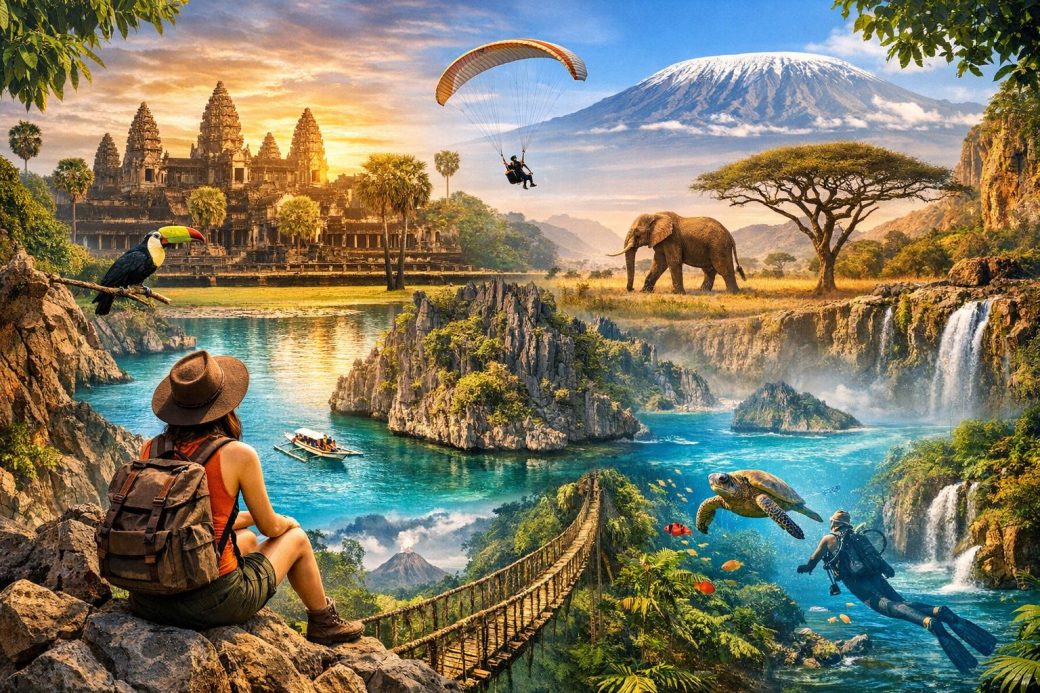
Exploring Exotic Destinations for Solo Adventure Travelers
Solo adventure travel has grown steadily as more individuals seek independent exploration combined with meaningful physical and cultural experiences. Traveling alone allows greater flexibility in planning, deeper immersion in local environments, and the opportunity to pursue demanding outdoor activities at one’s own pace. Exotic destinations, in particular, offer diverse landscapes, distinct ecosystems, and cultural settings that enrich the solo journey. From remote mountain ranges to geothermal landscapes and tropical coastlines, certain places stand out for their infrastructure, safety, and range of activities suited to independent travelers.
The following destinations—Patagonia, New Zealand, Bali, and Iceland—provide structured opportunities for exploration while retaining a sense of remoteness and discovery. Each offers a combination of accessible logistics, varied terrain, and accommodation options appropriate for those traveling independently.
1. Patagonia, South America
Located at the southern end of South America and shared by Argentina and Chile, Patagonia is widely recognized for its expansive wilderness and striking scenery. The region encompasses the southern Andes, vast grasslands known as pampas, glacial fields, and dramatic coastal areas. For solo travelers seeking extended treks and immersion in remote environments, Patagonia offers well-documented routes and established park infrastructure.
One of the region’s most visited natural reserves is Torres del Paine National Park in Chile. Its granite towers, turquoise lakes, and extensive trail networks make it accessible to independent hikers without compromising the sense of isolation. The “W” and “O” trekking circuits provide multi-day hiking routes with designated campsites and refugios spaced along the trails. This structure allows solo adventurers to plan according to their fitness level and time constraints.
On the Argentine side, Los Glaciares National Park features the Perito Moreno Glacier, one of the few advancing glaciers in the world. The surrounding trails provide both shorter walks and longer expeditions. Organized ice hiking excursions offer the opportunity to traverse the glacier’s surface under the guidance of certified professionals, ensuring safety while allowing participation in more demanding terrain.
Landscape and Outdoor Engagement
Patagonia’s environmental diversity contributes to a wide range of activities. Trekking in the Andes remains central to most itineraries, with trails traversing high-altitude passes, lenga forests, and glacial valleys. Weather conditions can shift rapidly, requiring preparation and self-sufficiency—an aspect many solo adventurers consider integral to the experience.
Wildlife observation adds another dimension to travel in this region. Guanacos, Andean condors, and diverse marine species populate the landscape. Coastal areas such as the Valdés Peninsula provide seasonal opportunities to observe whales and penguins. These encounters often involve guided tours departing from small towns, enabling solo travelers to participate without extensive logistical planning.
Kayaking on glacial lakes and rivers presents a different perspective of Patagonia’s terrain. The clarity of the water and proximity to ice formations create a distinctive paddling environment. Equipment rentals and guided services are available in major gateway towns, reducing barriers for travelers without specialized gear.
Accommodation and Practical Considerations
Patagonia offers a range of accommodations that balance remoteness with functionality. Refugios, or mountain lodges, provide basic shared lodging along major trekking routes. Campsites are well-regulated, often requiring advance reservations during peak season. In larger towns such as El Calafate and Puerto Natales, modern hotels and hostels cater to differing budgets.
Transportation between destinations typically involves regional buses or domestic flights. While distances are considerable, public transport networks are structured around key tourist corridors. Solo travelers benefit from pre-planning routes due to limited daily services in remote regions.
The trekking season generally runs from November to March, corresponding with the Southern Hemisphere summer. During this period, daylight hours are long, but strong winds and variable weather remain common. Proper preparation and awareness of park regulations are essential for independent exploration.
2. New Zealand
New Zealand is frequently identified as one of the most accessible countries for solo adventure travel. Its compact geography encompasses volcanic plateaus, fjords, alpine ranges, coastal cliffs, and temperate rainforests within relatively short distances. The country’s infrastructure is highly supportive of independent movement, making it suitable for travelers seeking both structured activities and autonomous exploration.
The North and South Islands each present distinct landscapes. The North Island features geothermal areas such as Rotorua and the Tongariro Volcanic Plateau. The South Island is characterized by the Southern Alps, glacial valleys, and the fjord systems of Fiordland National Park. This diversity allows solo travelers to transition between environments without extensive travel time.
Adventure Activities and National Trails
New Zealand’s reputation for adventure sports is long established. Queenstown, located on the South Island, is known for activities such as bungee jumping, skydiving, and jet boating. These experiences are supported by professional operators with strong safety standards, enabling solo participants to join scheduled departures without requiring a companion.
Long-distance hiking is another central component of the country’s outdoor culture. The Milford Track, one of the “Great Walks,” leads through Fiordland’s valleys, waterfalls, and alpine passes. A well-developed hut system allows solo hikers to reserve accommodation along the route. Clear signage and track maintenance make it suitable for those with moderate to advanced trekking experience.
The Tongariro Alpine Crossing on the North Island offers a day-long trek across volcanic terrain, passing craters and emerald lakes. Shuttle services facilitate access to trailheads, making it manageable for independent travelers without private transportation.
Water-based activities also play a significant role. The Shotover River near Queenstown is a popular site for jet boating, providing high-speed navigation through narrow canyons. Coastal kayaking and sailing excursions are common in Abel Tasman National Park, where golden beaches and sheltered bays create favorable paddling conditions.
Transportation and Mobility
Efficient public buses connect major towns, and domestic flights reduce travel time between distant regions. However, many solo travelers prefer renting a car or campervan for greater flexibility. Road conditions are generally well maintained, and distances between attractions are manageable.
Holiday parks and campgrounds provide facilities for those traveling by campervan, while backpacker hostels offer shared accommodations in most towns. Online booking platforms and visitor information centers streamline logistical planning.
New Zealand’s emphasis on conservation and outdoor safety is evident in clearly marked tracks, visitor education programs, and weather advisory systems. Solo adventurers are encouraged to register hiking plans and monitor conditions, particularly in alpine areas where weather can change rapidly.
3. Bali, Indonesia
Bali combines tropical scenery, cultural heritage, and accessible adventure experiences within a relatively compact island setting. For solo travelers, this balance allows participation in both physically engaging activities and cultural exploration. The island’s infrastructure is well established, with transportation networks connecting coastal regions, inland towns, and surrounding islands.
The interior region around Ubud is characterized by terraced rice fields and temple complexes. Coastal areas such as Kuta, Uluwatu, and Canggu are known for surf breaks and beach activities. This geographic diversity supports varied itineraries without extensive travel.
Adventure and Cultural Integration
Surfing remains one of Bali’s primary adventure pursuits. Beaches in Kuta provide beginner-friendly waves, while Uluwatu offers more advanced reef breaks. Surf schools and board rental shops are widely available, allowing solo travelers to access instruction and equipment easily.
Mount Batur, an active volcano in northeast Bali, is a frequent trekking destination. Early-morning guided ascents enable participants to reach the summit for sunrise views. The route is moderately challenging and typically completed within a few hours. Organized guides are recommended due to volcanic terrain and local regulations.
Diving and snorkeling opportunities are concentrated in areas such as Nusa Dua and nearby islands including Nusa Penida. Coral reefs support diverse marine life, and established dive centers provide certification courses and guided excursions. Solo travelers can join group departures, facilitating both safety and social interaction.
Beyond physical activities, Bali’s temple ceremonies and traditional arts offer structured cultural experiences. Visitors can observe or participate respectfully in local events, often arranged through cultural centers or community organizations. Such experiences provide contextual understanding alongside adventure pursuits.
Accommodation and Safety
Accommodation options in Bali range from budget hostels to private villas. Many guesthouses are family-operated, offering insight into local life while maintaining affordable rates. Co-living and co-working spaces are common in areas such as Canggu, attracting individual travelers and facilitating social connections.
Transportation within Bali includes taxis, ride-hailing services, and scooter rentals. While renting a scooter provides flexibility, it requires familiarity with local traffic conditions and adherence to safety regulations. Organized day tours provide an alternative for accessing more remote areas.
In terms of safety, Bali is considered relatively secure for visitors. Standard precautions apply, including safeguarding valuables and respecting local customs. Awareness of seasonal weather patterns, particularly during the rainy season from November to March, assists in planning outdoor activities.
4. Iceland
Iceland presents an environment shaped by volcanic activity, glaciation, and geothermal processes. Its combination of dramatic landscapes and developed infrastructure makes it appealing for solo adventurers seeking both accessibility and exposure to remote terrain. Despite its sparse population, the country maintains well-maintained roads and clear signage, facilitating independent exploration.
The island’s compact size allows travelers to traverse multiple geological features within a relatively short timeframe. Lava fields, waterfalls, geysers, and glaciers are frequently located within accessible distance of main roads.
Geological Exploration and Outdoor Pursuits
The Golden Circle route encompasses three significant sites: Þingvellir National Park, the Geysir geothermal area, and Gullfoss waterfall. This circuit can be completed in a single day and serves as an introduction to Iceland’s geological diversity.
Glacier hiking in Skaftafell, part of Vatnajökull National Park, involves traversing ice formations with the assistance of licensed guides. Basic crampon techniques are taught before entering the glacier, enabling solo travelers to participate safely.
Iceland’s extensive trail networks support trekking across varied terrain. The Laugavegur Trail, connecting Landmannalaugar and Þórsmörk, passes through rhyolite mountains and geothermal valleys. Mountain huts along the route require advance reservation, providing structured overnight options.
Bathing in geothermal pools, including the Blue Lagoon and numerous smaller hot springs, offers a restorative aspect to outdoor travel. Many natural pools are located in remote areas, accessible via gravel roads, underscoring the importance of proper navigation and vehicle preparation.
Transport, Climate, and Infrastructure
The Ring Road encircles the island, connecting major towns and natural attractions. Renting a vehicle is common among solo travelers, particularly during summer months when conditions are favorable. In winter, changing weather and limited daylight hours require additional planning and awareness.
Guesthouses, farm stays, and small hotels are distributed around the country. Even in rural regions, accommodations often maintain reliable standards. Campsites are also widely available during the warmer season.
Iceland’s climate is variable, with rapid shifts in wind and precipitation. Monitoring weather forecasts and road conditions is essential. Digital resources and visitor centers provide updated information, supporting safe travel decisions.
Conclusion
Patagonia, New Zealand, Bali, and Iceland represent distinct geographic and cultural contexts, yet each supports the practical needs of solo adventure travelers. Their established infrastructure enables independent movement, while their landscapes provide opportunities for physically engaging and varied experiences. Whether trekking across glacial valleys, navigating volcanic terrain, surfing tropical waves, or hiking alpine tracks, solo travelers can structure itineraries that balance autonomy with organized support. Careful planning, respect for local regulations, and attention to environmental conditions contribute to a sustainable and rewarding solitary travel experience in these exotic destinations.