Understanding the Costs Involved
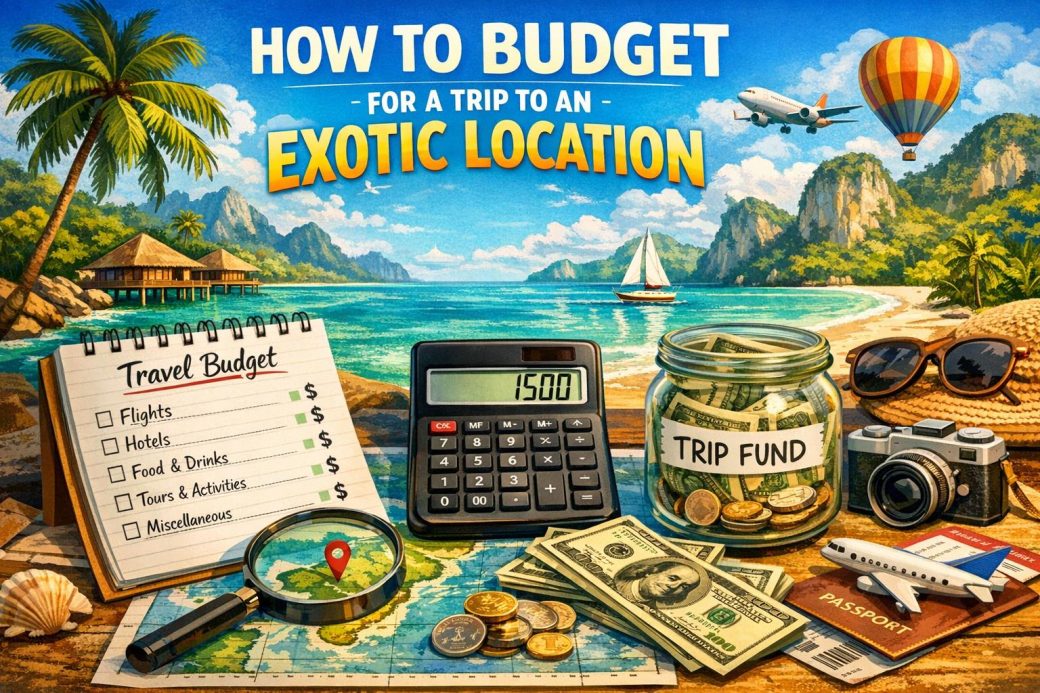
When planning a trip to an exotic location, it is necessary to develop a clear understanding of the financial commitments associated with international or long-distance travel. Costs can vary substantially depending on geographic region, season, travel style, and individual priorities. A structured review of expected expenses allows for realistic budgeting and reduces the likelihood of financial strain during or after the trip. The primary expense categories generally include transportation, accommodation, food, activities, and miscellaneous costs. Each category contains both predictable and variable components, and clear planning within these areas provides a stable foundation for travel preparation.
Beyond headline prices, travelers should also account for exchange rates, seasonal pricing fluctuations, and regional economic conditions. An apparently affordable destination may carry hidden costs through service charges, mandatory fees, or limited budget options. Conversely, a destination perceived as expensive might offer value through public transportation systems, free cultural attractions, or competitively priced accommodations. Careful research turns general assumptions into informed financial projections.
Transportation
Transportation is often the largest single expense when visiting an exotic or distant destination. Airfare pricing depends on factors such as departure city, travel season, booking window, airline competition, and fuel costs. Monitoring fare trends over several weeks helps travelers identify pricing patterns. Flying during off-peak seasons or mid-week departures may reduce ticket prices, while booking far in advance or remaining flexible with travel dates can also provide savings.
Price comparison websites allow travelers to evaluate multiple airlines and routes simultaneously. However, it is equally important to verify baggage policies, seat selection fees, and cancellation terms. A lower base fare may not always represent overall savings if additional service charges apply.
In addition to international airfare, ground transportation at the destination warrants attention. Major cities may offer cost-effective public transit systems that reduce reliance on taxis or rental vehicles. In contrast, remote or rural destinations may require private transport arrangements, guided transfers, or domestic flights. These secondary transport expenses should be calculated early in the planning process.
Rental cars introduce additional considerations such as fuel costs, insurance coverage, parking fees, and toll roads. In some regions, daily rental rates may appear reasonable, but insurance requirements significantly raise the final cost. Travelers should verify whether their personal auto insurance or credit card benefits extend to international rentals.
Local transportation expenses may also include ferry crossings, intercity trains, or regional flights between islands or provinces. These segments are sometimes overlooked during initial budgeting but can meaningfully affect total trip costs. A comprehensive transportation estimate should account for the entirety of movement, from departure airport parking to return home transfers.
Accommodation
Accommodation expenses depend largely on travel style, comfort expectations, and proximity to major attractions. Options range from luxury resorts and boutique hotels to hostels, guesthouses, and short-term apartment rentals. Each category offers distinct advantages in terms of privacy, amenities, and convenience.
Luxury properties typically provide comprehensive services, including concierge assistance, daily housekeeping, and on-site dining. These conveniences are reflected in higher nightly rates. Budget accommodations, such as hostels or basic guesthouses, offer lower rates but may require compromises in space or privacy. Short-term rental apartments can strike a balance between cost and independence, particularly for longer stays.
Location significantly influences pricing. Properties located in central tourist districts or near major beaches are generally more expensive than accommodations in residential neighborhoods or outskirts. While staying outside prime areas can reduce nightly rates, travelers should consider the additional time and transport expenses needed to reach attractions.
Booking platforms allow comparisons of pricing, amenities, and guest reviews. Reviews provide practical insight regarding cleanliness, service reliability, and noise levels. Evaluating cancellation policies is also essential, especially when travel plans involve multiple destinations or shifting schedules.
Some accommodations offer package arrangements that bundle lodging with meals, guided tours, or transportation. These arrangements can simplify budgeting and sometimes produce overall savings. However, travelers should review package components carefully to ensure that included services align with their actual preferences.
Longer stays may qualify for extended-stay discounts. Negotiating directly with smaller properties can occasionally yield price flexibility, especially during low-demand periods. Factoring in local taxes, resort fees, or cleaning charges ensures that the budget reflects the total expected cost rather than only the base rate.
Food and Dining
Food expenses vary substantially depending on destination and dining habits. Travelers may choose between street vendors, casual restaurants, fine dining establishments, and self-catering arrangements. Researching average meal prices in advance allows for realistic budgeting.
Dining in tourist-heavy districts typically costs more than eating in residential neighborhoods. Exploring local markets or smaller, family-operated establishments can reduce expenses while providing exposure to regional cuisine. If accommodations include kitchen facilities, preparing some meals independently may further control costs.
In destinations where imported goods are common, menu prices may reflect global supply chain factors. Conversely, areas with strong agricultural production often provide fresh ingredients at moderate prices. Breakfast-inclusive accommodation packages can reduce daily food spending, particularly in urban areas where dining out carries higher rates.
Travelers intending to visit upscale restaurants should allocate specific funds within their dining budget. Fine dining establishments often include service charges or gratuities, and beverage pricing may significantly add to the final bill. Understanding local tipping customs prevents unexpected expenses.
Beverages, snacks, and bottled water can cumulatively represent a noticeable portion of the food budget. Additionally, dietary restrictions may influence food costs if specialty items are required. Reviewing grocery pricing trends at the destination can clarify whether self-catering will generate meaningful savings.
Activities and Tours
Exotic locations frequently offer guided excursions, cultural experiences, wildlife encounters, adventure sports, and historical site visits. Activity pricing varies widely depending on exclusivity, duration, group size, and equipment requirements. Pre-trip research assists in identifying priority activities and understanding standard market rates.
Booking tours in advance sometimes secures promotional pricing or guarantees availability during peak seasons. However, in certain destinations, booking locally can provide opportunities for negotiation, particularly when group sizes are flexible. Travelers should assess cancellation policies to avoid forfeiting deposits in case of itinerary changes.
Entrance fees to national parks, heritage sites, or marine reserves should be included in planning calculations. Some regions apply additional conservation charges or environmental taxes. Multi-day tours may bundle accommodation, meals, and transportation into a single package. Comparing package pricing with independent arrangements ensures cost efficiency.
Adventure-based experiences such as scuba diving, mountaineering, or guided safaris often require equipment rental, certification verification, or mandatory insurance. These supplementary charges should be factored into the projected activity budget. Photography permits or specialized guide services may also carry additional fees.
At the same time, many destinations offer cost-effective or free activities, including hiking trails, public beaches, local festivals, and self-guided walking tours. Balancing paid experiences with independent exploration contributes to a varied itinerary without excessive spending.
Miscellaneous Expenses
Miscellaneous expenses represent an essential yet often underestimated component of travel budgeting. Travel insurance provides financial protection in case of medical emergencies, cancellations, or lost baggage. Premiums vary based on trip duration, destination risk level, and traveler age.
Visa fees, tourist entry taxes, and vaccination costs may apply depending on nationality and destination. These administrative requirements should be confirmed well in advance, as last-minute arrangements can incur expedited processing fees. Some countries also require proof of onward travel or health documentation.
Currency exchange fees and international transaction charges may influence total trip spending. Using credit cards with minimal foreign transaction fees or withdrawing local currency strategically can reduce unnecessary costs. However, ATM withdrawal limits and local banking restrictions should be considered.
Everyday expenses such as tips, small purchases, laundry services, and communication costs accumulate over time. International roaming charges for mobile devices may be significant without a local SIM card or alternative data plan. Souvenirs and personal shopping decisions should fit within an allocated discretionary budget.
Establishing a contingency buffer is advisable. Unforeseen medical appointments, transportation disruptions, or itinerary adjustments can require additional funds. A modest financial reserve protects overall travel stability without interrupting plans.
Click here for additional resources on budgeting travel effectively.
Developing a Savings Plan
After estimating total projected costs, the next step involves designing a structured savings strategy. Start by establishing the target travel date and calculating the number of months available for preparation. Divide the projected expense total by the number of months remaining to determine a monthly savings requirement.
Creating a dedicated travel fund supports financial organization. This may involve opening a separate savings account designated exclusively for travel expenses. Automatic monthly transfers from a primary account can provide consistency and reduce reliance on manual contributions. Monitoring progress at regular intervals ensures that savings targets remain aligned with the timeline.
Budget adjustments may be necessary if projected savings fall short. This can involve reallocating discretionary spending, reducing nonessential subscriptions, or temporarily postponing large purchases. Tracking day-to-day expenditures helps identify potential reallocation areas without compromising financial stability.
Supplemental income strategies, such as freelance work or selling unused items, may accelerate savings progress. Any additional earnings can be directly deposited into the travel fund to maintain separation from routine finances. Maintaining clear documentation of deposits and anticipated expenses strengthens accountability.
Inflation or airline pricing volatility may alter projections over time. Revisiting cost estimates periodically ensures that savings goals remain realistic. If certain expenses increase unexpectedly, adjustments in activity selection or accommodation tier may restore balance to the overall plan.
Financial preparation also includes planning for post-travel expenses. Ensuring that regular bills and obligations are covered during travel prevents financial strain upon return. Some travelers choose to maintain an emergency reserve separate from the travel fund to strengthen overall financial readiness.
A structured savings plan transforms an abstract travel idea into a measurable objective. By addressing transportation, lodging, food, activities, and ancillary expenses methodically, travelers establish financial clarity well before departure. Careful budgeting combined with disciplined savings allows for a prepared and organized approach to experiencing an exotic destination while maintaining long-term financial stability.