Exploring Unique Accommodations in Exotic Locations
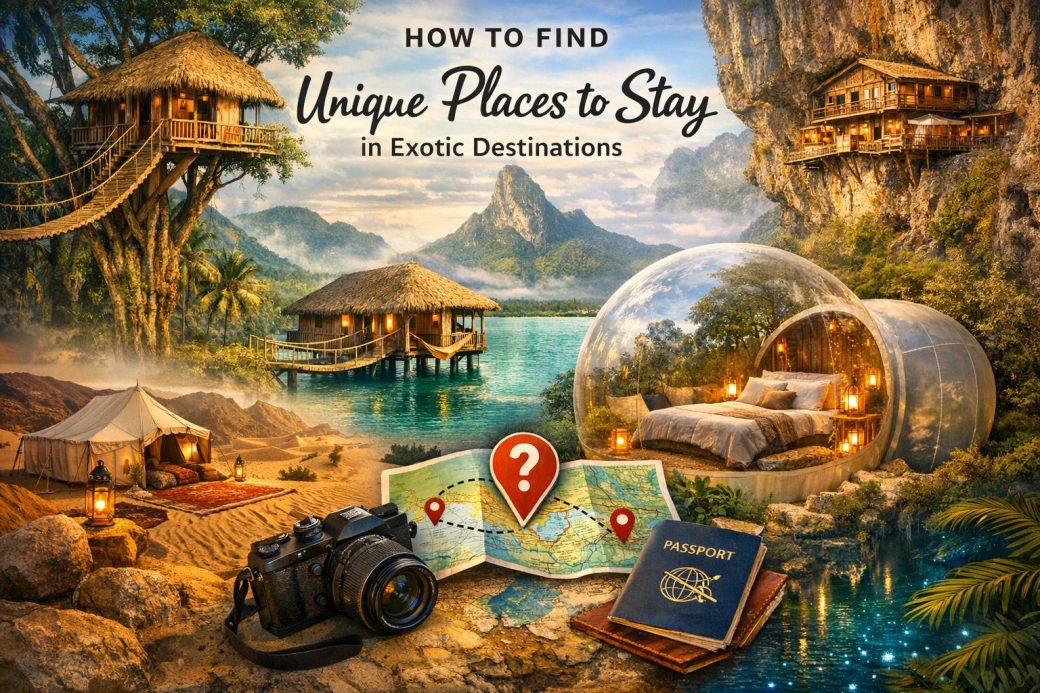
When planning travel to an exotic destination, accommodation selection plays a central role in shaping the overall experience. While conventional hotels provide predictability and standardized service, many travelers seek properties that reflect the character of the region itself. Unique accommodations—such as desert eco-lodges, jungle treehouses, cave dwellings, floating villas, or renovated historical estates—offer environments that complement the landscape and culture of the destination. Identifying these distinctive options requires methodical research, thoughtful comparison, and careful evaluation of practical considerations.
The process often combines digital tools, community insight, and direct communication with local providers. By approaching the search systematically, travelers can discover stays that align with both aesthetic preferences and logistical requirements. The following sections explore multiple strategies for uncovering uncommon lodging options in remote, culturally rich, or geographically distinctive locations.
Using Online Travel Databases
Online travel databases remain one of the most efficient entry points for exploring distinctive stays. Platforms such as Airbnb and VRBO contain listings that extend far beyond traditional apartments and holiday homes. Users can filter by property type, allowing searches for categories such as treehouses, yurts, riads, houseboats, farm stays, domes, or heritage cottages. These filters help narrow results in destinations that might otherwise appear saturated with conventional accommodations.
Effective use of these databases involves more than browsing photographs. It is important to assess host profiles, guest reviews, cancellation policies, and exact location details. In exotic regions, properties described as remote may require four-wheel drive access or involve extended travel from airports. Detailed reading of amenities can clarify whether electricity is constant, whether air conditioning is available, or whether meals are included—factors that may significantly affect comfort.
Many booking platforms also feature map-based search functions. Reviewing the surrounding geography can help determine whether a jungle lodge sits inside a protected reserve, whether a desert retreat lies close to a village, or whether a beachfront bungalow faces open ocean or sheltered lagoon. Satellite imagery often provides additional environmental context.
Price comparison tools within these databases allow travelers to evaluate seasonal fluctuations. Unique properties in high-demand regions—such as overwater bungalows in the South Pacific or cave hotels in Cappadocia—may vary significantly in cost depending on time of year. Early booking can provide access to limited-inventory properties that often fill quickly.
Exploring Social Media Platforms
Social media platforms have developed into visual search engines for travel inspiration. Instagram, Pinterest, and similar channels host extensive collections of images and short-form videos highlighting accommodations around the world. Travelers frequently document their stays with detailed captions, offering location tags and insights that complement official marketing materials.
Searching by descriptive hashtags such as #UniqueStays, #EcoLodge, #DesertRetreat, or #JungleCabin can generate a curated gallery of properties. Location-specific tags further refine the search. By examining posts over time rather than focusing solely on promotional content, users can gain a balanced view of the property’s realistic appearance under varying conditions.
Following travel photographers, architects, or hospitality designers may also yield exposure to innovative accommodations. Many experimental hospitality projects—such as mirrored forest cabins, underwater suites, or cliffside minimalist pods—receive initial publicity on social media before appearing in mainstream booking channels.
In addition, comments sections sometimes contain practical advice regarding access routes, seasonal concerns, or nearby attractions. While information shared on social media requires verification through additional sources, it can serve as an effective starting point for identifying properties not prominently featured in conventional search results.
Tapping into Travel Blogs and Forums
Travel blogs provide narrative context that booking platforms may not capture. Bloggers frequently document the entire journey, discussing transportation logistics, interactions with hosts, and on-site experiences. This narrative approach helps clarify what daily life at a particular property entails.
Detailed blog reviews often address aspects such as food quality, noise levels, climate adaptation, and cultural norms. For example, a blog post about a stay in a Moroccan riad might include information about courtyard acoustics, rooftop access, or proximity to traditional markets. Similarly, an article describing a stay in a remote Icelandic cabin might discuss heating systems and road conditions during winter months.
Online forums dedicated to travel further expand the available knowledge base. Community members share candid advice, answer specific logistical questions, and provide updates on changing regulations or property management. Participating actively in discussion threads can yield tailored recommendations based on budget, travel style, or accessibility needs.
While user-generated content varies in reliability, reviewing multiple independent accounts helps identify consistent strengths or recurring challenges associated with a particular accommodation. Cross-referencing blog content with booking platform reviews enhances accuracy.
Utilizing Specialized Booking Apps
Beyond large-scale travel marketplaces, specialized booking applications focus on specific niches within the accommodation industry. Platforms dedicated to glamping, sustainable lodges, heritage properties, or boutique hostels often curate listings with thematic consistency. This specialization simplifies discovery for travelers seeking a defined experience.
For instance, apps centered on eco-tourism highlight properties that incorporate solar energy, water conservation systems, or locally sourced construction materials. Listings may include detailed sustainability metrics that appeal to environmentally conscious travelers. Similarly, glamping-focused platforms aggregate luxury tents, safari lodges, and geodesic domes situated in scenic landscapes.
These applications frequently emphasize storytelling, providing background on property development, community involvement, and architectural design. User review systems enable comparison across destinations, offering insight into service reliability and overall guest satisfaction.
Mobile-friendly interfaces also facilitate on-the-go research. Travelers exploring a region spontaneously may use location-based search functions to identify unconventional stays nearby. However, even when using specialized apps, verifying independent reviews remains advisable.
Engaging with Local Tourism Boards
Local tourism boards represent an often underutilized resource for uncovering distinctive lodging. These organizations maintain direct connections with regional hospitality providers and may promote accommodations that prioritize cultural preservation or sustainable practices rather than extensive advertising.
Contacting a tourism board via email or telephone can result in personalized suggestions aligned with traveler interests. For example, a board may recommend family-operated vineyard guesthouses, restored colonial residences, mountain refuges accessible only by hiking trail, or traditional longhouses managed by Indigenous communities.
Tourism authorities frequently possess updated information on seasonal accessibility, infrastructure developments, and regulatory requirements. In emerging destinations where online booking systems are not widespread, they may supply contact details for properties that operate through direct reservation.
Brochures and digital guidebooks produced by tourism boards typically highlight regional heritage architecture and environmental features. Reviewing these materials can inspire searches for accommodations that reflect local building traditions, such as adobe structures in arid regions or wooden stilt houses in tropical wetlands.
Networking with Fellow Travelers
Direct communication with experienced travelers often leads to discoveries that do not surface through algorithm-driven search engines. Conversations during group tours, cultural workshops, or transportation transfers frequently reveal personal recommendations based on firsthand experiences.
Online communities, including travel discussion groups and interest-based networks, function as repositories of informal knowledge. Asking specific questions—such as requesting recommendations for eco-conscious stays in a coastal reserve or architecturally significant properties in a historic city—encourages targeted responses.
Word-of-mouth referrals can be particularly valuable in regions where boutique accommodations are family-operated and maintain limited digital presence. Personal introductions may result in flexible booking arrangements or additional local guidance upon arrival.
While informal recommendations are useful, verifying operational status and confirming amenities remain essential. Properties in remote settings may experience infrastructure challenges or seasonal closures that recent travelers can help clarify.
Evaluating Practical Considerations
Identifying a visually striking accommodation represents only one aspect of the selection process. Practical considerations ensure that the stay aligns with safety, accessibility, and comfort requirements. Unique properties sometimes trade convenience for atmosphere. Understanding these trade-offs in advance reduces potential disruption.
Transportation logistics deserve careful attention. Remote jungle or island properties may require boat transfers, small aircraft flights, or extended off-road travel. Clarifying pickup arrangements, luggage limitations, and emergency procedures is particularly important in isolated environments.
Health and safety standards should also be confirmed. In international destinations, building codes and sanitation practices may differ from those in the traveler’s home country. Reading recent reviews and communicating directly with hosts can clarify whether facilities meet expected standards.
Climate and environmental conditions influence suitability. Cave hotels maintain stable temperatures but may have limited natural light. Desert camps may experience significant temperature fluctuations. Overwater villas offer marine access but require swimming proficiency and awareness of tides.
Understanding cancellation policies is equally important for accommodations in regions subject to seasonal weather events or political changes. Flexible booking arrangements provide security when planning travel far in advance.
Architectural and Cultural Context
Unique accommodations often reflect local architectural traditions and cultural narratives. Staying in such properties provides insight into regional craftsmanship, materials, and spatial organization.
For instance, earthen structures in North Africa demonstrate passive cooling techniques suited to desert climates. Bamboo pavilions in Southeast Asia illustrate renewable construction practices. Converted monasteries or palaces in Europe showcase historical continuity through adaptive reuse.
When selecting culturally significant properties, travelers benefit from researching the building’s history. Some heritage accommodations operate within protected sites where preservation regulations influence renovation scope. Understanding the cultural significance of a structure encourages respectful engagement with the space.
Properties operated by local families or cooperatives may integrate cultural activities into the stay, such as cooking demonstrations, craft workshops, or guided village tours. These features contribute educational value beyond accommodation itself.
Sustainable and Community-Based Stays
In exotic environments that face ecological pressures, sustainability considerations gain importance. Many distinctive accommodations emphasize low-impact practices, renewable energy usage, and community engagement. Evaluating sustainability claims requires examining specific measures rather than relying solely on descriptive language.
Indicators of responsible operation include participation in local conservation initiatives, employment of regional staff, support for nearby agriculture, and waste management systems that reduce environmental strain. Some properties publish sustainability reports outlining measurable goals.
Community-based tourism initiatives may involve lodging within Indigenous territories or rural villages. These stays often distribute financial benefits directly to residents and preserve traditional livelihoods. Travelers should approach such arrangements respectfully, recognizing cultural boundaries and consent-related considerations.
Balancing Novelty with Comfort
Unique accommodations frequently emphasize novelty, yet travelers differ in tolerance for unconventional amenities. A transparent assessment of personal preferences helps avoid dissatisfaction. While some individuals value immersion in nature despite minimal infrastructure, others may prioritize reliable climate control, internet access, or private bathrooms.
Reading detailed room descriptions and studying floor plans helps align expectations. Contacting hosts to clarify questions regarding bedding configurations, meal schedules, or accessibility accommodations supports informed decisions.
Families traveling with children or individuals with mobility concerns may require additional verification of safety features such as railings, secure walkways, or medical access. Exotic settings can present environmental risks, making preparation essential.
Planning and Booking Strategies
Securing distinctive lodging often requires early planning due to limited inventory. Architectural uniqueness and remote settings typically constrain capacity. Monitoring availability calendars several months in advance increases likelihood of securing preferred dates.
Some properties offer direct booking incentives, including reduced rates or complementary services. Comparing direct reservations with platform-based bookings can reveal cost differences or added flexibility.
Maintaining organized records of communication, payment confirmations, and transportation arrangements minimizes uncertainty before arrival. For remote properties, confirming arrival instructions shortly before departure remains advisable, particularly if weather conditions influence accessibility.
Travel insurance policies that cover remote or unconventional accommodations may offer additional protection. Reviewing policy exclusions ensures clarity regarding activities associated with certain environments, such as overwater lodging or mountainous terrain.
Conclusion
Identifying unique accommodations in exotic locations involves integrating digital research tools, community engagement, and practical evaluation. Online travel databases, social media, specialized booking apps, travel blogs, and local tourism boards collectively provide diverse information sources. Networking with experienced travelers further enriches the search process.
Beyond visual appeal, careful attention to logistics, safety, sustainability, and cultural context supports informed decision-making. By combining structured research with openness to regional knowledge, travelers can select properties that enhance understanding of place while meeting functional requirements. Distinctive accommodations, when chosen thoughtfully, contribute architectural, cultural, and environmental dimensions to the broader travel experience.