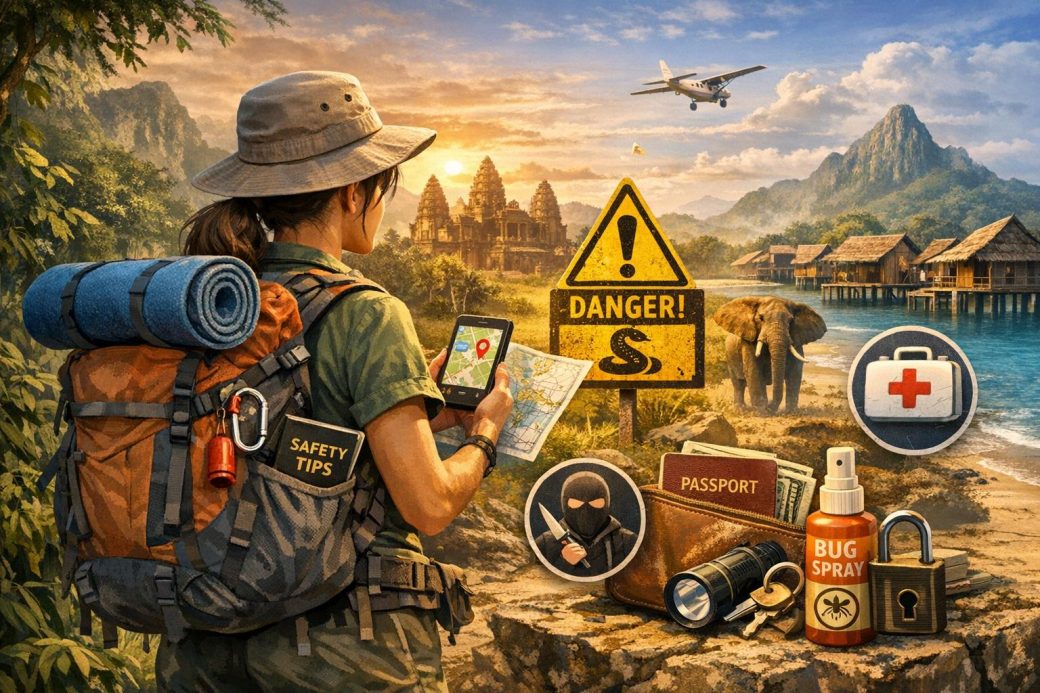
Research and Prepare Before Traveling
Thorough preparation forms the foundation of safe and efficient travel, particularly when visiting locations that are culturally, geographically, or politically different from one’s home country. Research should begin well in advance of departure. Travelers benefit from understanding the historical background, political climate, infrastructure quality, and social norms of their destination. This preparation allows for realistic expectations and informed decision-making throughout the journey.
Studying official government travel advisories is a practical first step. These advisories typically assess risks related to crime, civil unrest, natural disasters, and health concerns. Reviewing multiple sources, including foreign affairs departments, international organizations, and reputable travel publications, provides a broader perspective. In addition, travelers should examine entry requirements such as visas, passport validity rules, and documentation that may be required for transit through other countries.
Cultural awareness is equally significant. Understanding acceptable dress codes, behavioral expectations, and common greetings reduces the likelihood of misunderstandings. In some destinations, gestures that are neutral at home may carry different meanings. Knowledge of basic phrases in the local language can improve communication and demonstrate respect. Even a limited vocabulary contributes to smoother interactions and may prove helpful in emergencies.
Travelers should also research local infrastructure. Investigating the reliability of transportation networks, healthcare facilities, and banking systems helps avoid disruptions. In certain regions, access to automated teller machines or credit card acceptance may be limited outside urban centers. Identifying these factors beforehand supports better logistical planning.
Health Precautions
Health planning is an essential component of travel preparation. Prior to departure, travelers should consult a healthcare provider, ideally one specializing in travel medicine. A medical professional can assess required or recommended vaccinations based on the destination and the traveler’s medical history. Some countries mandate proof of immunization for diseases such as yellow fever, while others strongly advise vaccines for typhoid, hepatitis, or other regional illnesses.
In addition to vaccinations, travelers should review food and water safety guidelines. In some areas, tap water may not be potable, and uncooked foods may pose health risks. Understanding safe dietary practices reduces the likelihood of gastrointestinal illness. Carrying water purification tablets or portable filtration systems may be advisable in remote regions.
A basic medical kit should accompany every traveler. Essential items may include prescribed medications in their original packaging, pain relievers, antiseptics, bandages, motion sickness remedies, and treatments for allergies. Individuals with chronic conditions should bring an adequate supply of medication to last beyond the scheduled trip duration in case of delays. It is also prudent to carry copies of prescriptions and a written summary of medical history.
Travelers should consider environmental factors such as altitude, humidity, and temperature. Sudden exposure to high elevations can cause altitude-related illness if acclimatization is insufficient. Similarly, regions with extreme heat require attention to hydration and sun protection. Understanding environmental conditions helps travelers plan appropriate clothing and equipment.
Travel Insurance
Travel insurance provides financial protection against a range of unexpected events. Policies typically cover medical emergencies, evacuation, trip cancellation, baggage loss, and travel delays. Before purchasing coverage, travelers should evaluate policy details carefully. Not all policies include coverage for high-risk activities such as scuba diving, trekking in remote areas, or participation in certain sports.
Medical evacuation coverage is especially relevant when traveling to destinations with limited healthcare infrastructure. Evacuation to a hospital with advanced facilities can be costly without insurance. It is advisable to confirm that coverage limits are adequate for the region visited.
Travelers should also understand claim procedures. Maintaining records of receipts, medical reports, and police statements in case of theft expedites claims. Digital storage of these documents can prevent loss. Clear understanding of deductibles, exclusions, and claim timelines reduces potential misunderstandings.
Stay Vigilant and Aware
Situational awareness significantly contributes to personal safety. Travelers should remain attentive to their environment, particularly in crowded settings such as transportation hubs, markets, and tourist attractions. Pickpocketing and petty theft are common in many destinations. Keeping valuables secured and out of sight minimizes risk.
Maintaining discretion regarding financial matters is advisable. Counting money in public or displaying expensive equipment may attract unnecessary attention. Using automated teller machines located within secure buildings, such as banks or hotels, can reduce exposure to fraud or theft.
Travelers should remain attentive to local news and weather reports during their stay. Political demonstrations, severe weather conditions, or transportation strikes can disrupt plans and create safety concerns. Adjusting itineraries when necessary demonstrates prudent risk management.
Alcohol consumption warrants careful consideration. Excessive consumption can impair judgment and reduce awareness of surroundings. Moderation supports better decision-making and decreases vulnerability to theft or accidents.
Interaction with Locals
Engaging with residents offers valuable cultural insight, but thoughtful conduct enhances safety. Respect for social norms, religious practices, and dress codes contributes to positive interactions. In certain societies, modest attire is expected in public spaces or religious sites. Observing local customs demonstrates awareness and may prevent conflict.
Travelers should exercise caution when strangers offer unsolicited assistance. While many offers are genuine, some may involve attempts at overcharging or theft. Verifying information through official sources, such as tourism offices or hotel staff, supports informed decisions. When booking tours or excursions, selecting licensed operators with established reputations reduces exposure to unsafe practices.
In business or negotiation contexts, clarity regarding prices and services prevents misunderstandings. Confirming costs before accepting goods or services reduces potential disputes. Written confirmation, when available, provides additional assurance.
Document Safety
Travel documents require careful protection throughout the journey. Passports, visas, identification cards, travel insurance certificates, and transportation tickets should be stored securely. Many travelers use concealed money belts or anti-theft bags designed with locking mechanisms. These tools reduce the likelihood of unauthorized access.
Creating both physical and digital copies of important documents increases security. Digital copies may be stored on encrypted devices or secure cloud storage platforms. In the event of loss or theft, copies facilitate replacement procedures at embassies or consulates.
When staying in hotels, using in-room safes adds an additional layer of protection. However, travelers should confirm that the safe functions properly and understand liability policies regarding valuables. In shared accommodations, safeguarding documents becomes even more critical.
Reporting lost or stolen passports immediately to local authorities and the relevant embassy expedites replacement. Carrying contact information for diplomatic missions simplifies this process.
Transportation Safety
Transportation decisions significantly influence travel safety. Upon arrival at airports or transit stations, pre-arranged transfers through reputable companies reduce uncertainty. Official taxi counters or authorized ride-sharing services typically provide greater reliability than accepting informal offers.
When using public transportation, travelers should familiarize themselves with routes, schedules, and ticketing systems. Keeping tickets readily accessible while securing other belongings prevents confusion and reduces exposure to theft. Sitting near other passengers rather than isolated sections may enhance visibility.
Scams targeting tourists often occur in transit environments. Examples include inflated fares, diversion tactics, or unauthorized luggage assistance. Verifying standard pricing and confirming routes through mapping tools supports informed travel.
Night travel requires additional consideration. In certain destinations, public transportation may operate less frequently or with reduced security after dark. Assessing local guidance regarding safe travel times informs scheduling decisions.
Driving in Exotic Locations
Driving in unfamiliar regions presents distinct challenges. Traffic patterns, signage conventions, and road conditions may differ substantially from those at home. Some countries operate vehicles on the opposite side of the road, requiring deliberate adjustment.
Before renting a vehicle, travelers should review local licensing requirements. An international driving permit may be required in addition to a valid domestic driver’s license. Rental agreements should be read carefully, with attention to insurance coverage and liability clauses.
Inspecting the vehicle before departure is essential. Documenting existing damage and ensuring that lights, brakes, and tires function properly reduces risk. Travelers should verify that emergency equipment, such as reflective vests or warning triangles, complies with local regulations.
In rural or remote areas, road conditions may include unpaved surfaces, livestock crossings, or limited signage. Travelers should plan fuel stops in advance and carry sufficient supplies. Reliable navigation systems or offline mapping applications can prove beneficial where internet connectivity is inconsistent.
Stay Connected
Communication supports both safety and coordination. Informing a trusted contact of travel plans, accommodations, and major itinerary changes creates a point of reference in case of emergency. Regular updates provide reassurance and facilitate assistance if communication is interrupted.
Carrying a functional mobile phone with international roaming or a local prepaid SIM card ensures access to emergency services. Understanding local emergency numbers is essential, as they vary by country. Storing embassy contact details and accommodation information in the phone simplifies access.
Power reliability also merits consideration. In destinations with inconsistent electricity supply, portable battery packs or universal adapters are useful. These tools ensure that communication devices remain operational.
In certain situations, travelers may benefit from registering their trip with their country’s embassy. Registration systems can facilitate communication in case of natural disasters, political unrest, or evacuation scenarios.
Utilize Travel Apps
Mobile applications provide practical support for modern travelers. Navigation tools assist with route planning, while translation applications facilitate communication across language barriers. Some platforms offer alerts regarding safety conditions, weather events, or transportation disruptions.
Emergency service locator applications can identify nearby hospitals, police stations, and pharmacies. Familiarity with these tools prior to departure contributes to more efficient responses during unexpected situations. Offline functionality is particularly useful in regions with limited connectivity.
Travelers should exercise caution when using public wireless networks. Avoiding sensitive transactions over unsecured networks protects personal data. Using secure connections and updating device software regularly reduces cyber risks.
Respect the Environment
Exotic destinations often feature unique ecosystems and cultural heritage sites. Responsible conduct supports sustainability and long-term preservation. Travelers should adhere to guidelines established by local authorities regarding wildlife interaction, park access, and waste disposal.
Maintaining appropriate distance from wildlife reduces stress on animals and prevents injury. Feeding wildlife may disrupt natural behaviors and contribute to dependency. Observing animals through designated tours or with trained guides supports conservation efforts.
Waste management practices differ across regions. In locations with limited disposal infrastructure, carrying reusable water bottles and minimizing single-use plastics can reduce environmental impact. Following the principle of leaving no trace helps preserve landscapes for future visitors.
Cultural heritage sites also require respect. Removing artifacts or damaging historical structures undermines preservation efforts. Photography regulations should be followed, especially in sacred or restricted areas.
Water and energy conservation are practical concerns in areas facing resource shortages. Simple measures such as limiting shower duration and turning off lights when not in use contribute to sustainability. Responsible travel practices align with broader environmental stewardship.
Financial and Legal Considerations
Understanding currency regulations and financial procedures enhances efficiency. Travelers should familiarize themselves with exchange rates and typical transaction methods. In certain locations, cash transactions dominate, while others rely heavily on electronic payments.
Using secure payment methods reduces fraud risk. Credit cards with fraud protection features may offer advantages, but travelers should notify their financial institutions of international travel plans to prevent transaction blocks. Monitoring account activity regularly enables rapid response to unauthorized charges.
Knowledge of local laws is fundamental. Regulations concerning controlled substances, photography of government buildings, and behavior in public spaces may differ significantly from those at home. Non-compliance can lead to fines or detention. Consulting official sources prior to arrival clarifies legal expectations.
Customs regulations also warrant attention. Restrictions may apply to the import or export of certain goods, including food products, medications, cultural artifacts, or currency amounts. Accurate declaration prevents legal complications at borders.
Emergency Preparedness
Preparedness involves anticipating unlikely but possible events. Natural disasters such as earthquakes, hurricanes, or floods may occur in certain regions. Reviewing local evacuation routes and safety procedures in accommodations enhances readiness.
Travelers should identify the nearest medical facilities upon arrival. Knowing how to request assistance in the local language, even with simple phrases, facilitates timely response. Maintaining a list of emergency contacts in both digital and printed form ensures accessibility.
In situations of civil unrest, avoiding protest areas and monitoring official advisories are prudent measures. Flexibility in scheduling allows for prompt adjustments if transportation services are suspended.
Maintaining personal resilience also supports safety. Adequate rest, balanced nutrition, and measured pacing reduce fatigue, which can impair judgment. Structured planning combined with adaptability enables effective management of unexpected developments.
Conclusion
Safe travel to exotic locations requires comprehensive preparation, informed decision-making, and consistent awareness. Through careful research, health planning, insurance coverage, secure transportation choices, and respectful interaction with local communities and environments, travelers reduce exposure to common risks. Connectivity, financial vigilance, and emergency preparedness further strengthen safety frameworks.
Each destination presents distinct characteristics that influence risk and opportunity. By approaching travel with structured planning and informed caution, individuals can navigate diverse environments effectively while maintaining personal security and responsibility toward host communities.